E‑commerce continues to raise customer expectations. Faster deliveries, higher order volumes, and growing product variety put increasing pressure on warehouse operations. At the same time, space is limited and efficient material handling is critical to maintaining productivity.
To meet these demands, intralogistics operations are turning to fully automated storage and retrieval systems that can move more goods, faster, and in less space. One technology playing a key role in this transformation is the pallet-moving shuttle system, where compact, autonomous vehicles transport pallets or containers deep inside high‑density storage racks.
For these systems to work safely and efficiently, reliable communication is essential.
A shuttle system typically consists of one or more autonomous shuttles operating inside a storage rack. Pallets or containers are dropped off at the front of the rack, often by a forklift, where a shuttle picks them up and transports them to a storage location deep inside the system.
The shuttle must communicate continuously with:
Because shuttles move freely inside dense, metallic structures, traditional cabling quickly becomes impractical. Physical cables restrict movement, are subject to wear, and increase maintenance demands. For many installations, wireless communication is the only feasible option.
Deploying wireless communication in intralogistics is not trivial. Warehouses are challenging Radio Frequency (RF) environments, filled with metal, narrow aisles, and moving machines.
For shuttle systems, wireless communication must provide:
If communication is interrupted, a shuttle may stop, block access to storage locations, or disrupt the overall material flow. Reliable wireless Ethernet is therefore a critical enabler for automated intralogistics.
“What we hear from customers again and again is that wireless performance needs to be predictable, not just fast. That’s exactly what we’ve focused on - delivering stable, deterministic communication that allows shuttles to move freely without compromising reliability,” says Henrik Arleving, Wireless Product Manager at HMS Networks.
The Anybus Wireless Bridge II is designed for industrial wireless Ethernet communication in moving applications such as intralogistics shuttle systems.
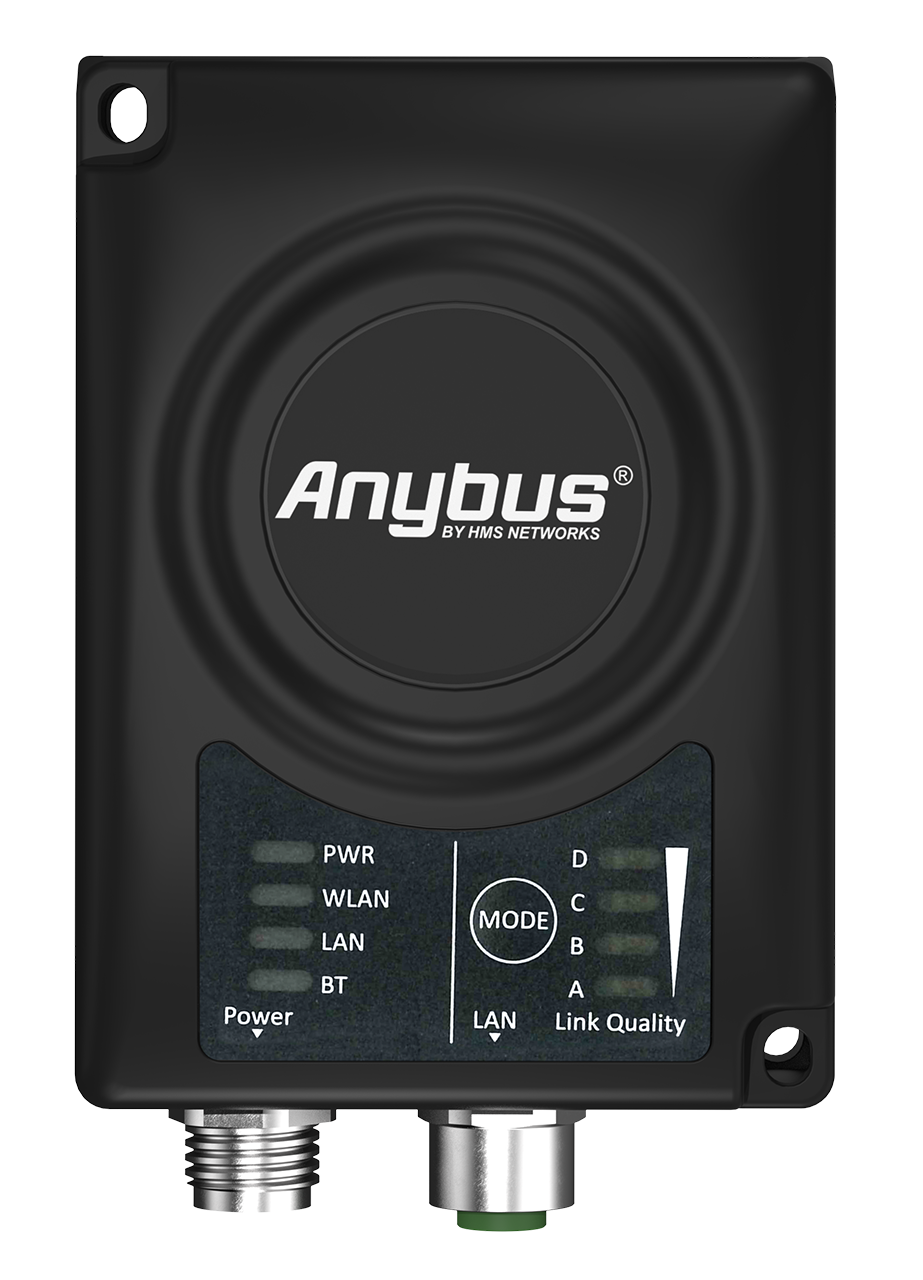
In a typical shuttle installation, an Anybus Wireless Bridge II is mounted directly on the shuttle and connected to the warehouse wireless network. From the control system’s perspective, the wireless connection behaves like a cable, allowing industrial Ethernet communication to run unchanged while the shuttle moves freely through the storage system.
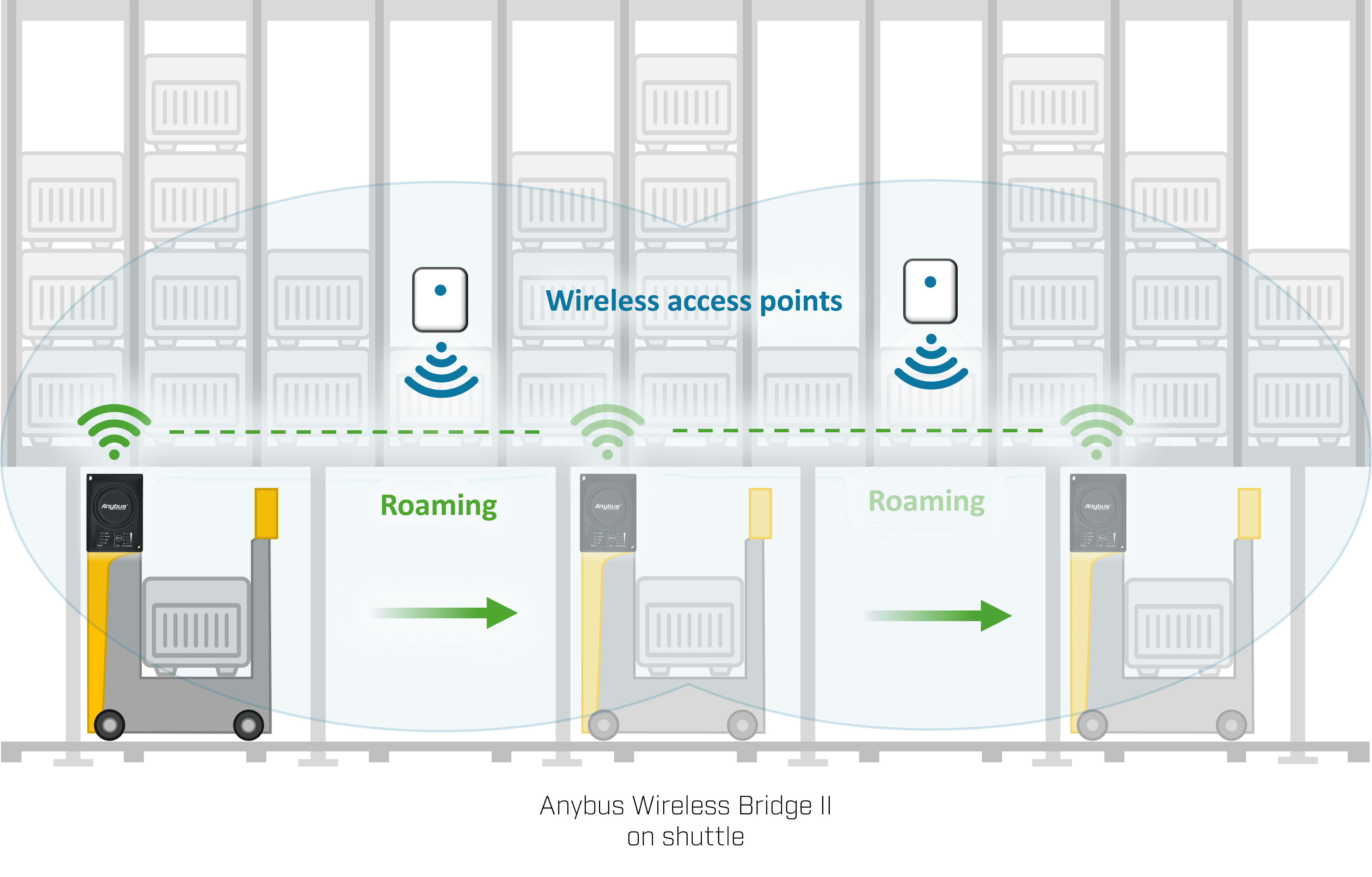
An Anybus Wireless Bridge II is mounted on the shuttle and connects wirelessly to industrial access points across the warehouse, providing transparent Ethernet communication and seamless roaming throughout the shuttle system.
To provide full coverage across large and dense installations, industrial wireless access points are installed throughout the warehouse. As shuttles move through the storage grid, they roam seamlessly between access points, maintaining continuous Ethernet communication without interruptions.
At system level, this creates a point‑to‑multipoint wireless architecture, enabling multiple shuttles to operate simultaneously, even in challenging RF environments.
Key characteristics that make the solution well suited for shuttle systems include:
Together, these characteristics allow system designers to combine mobility, automation, and reliability in modern intralogistics systems.
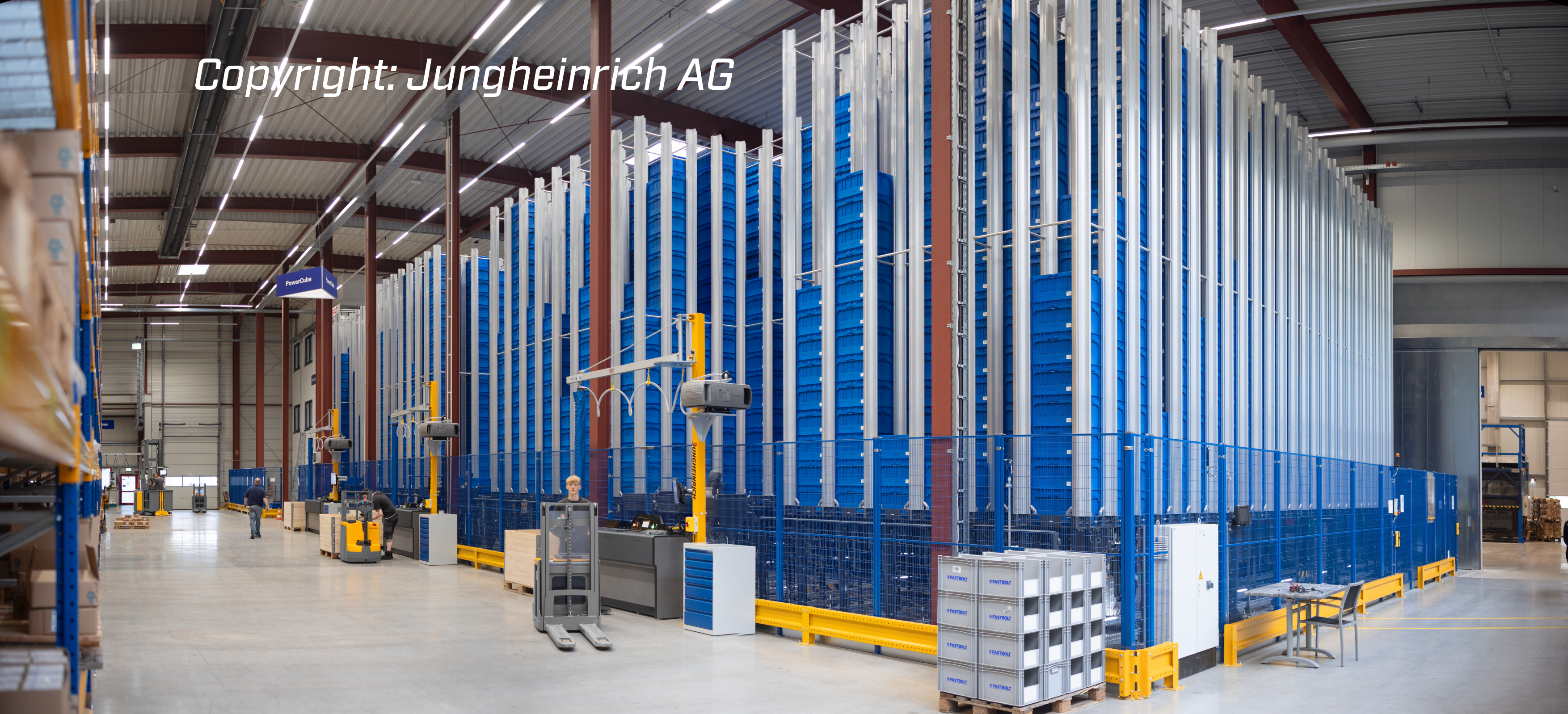
An example of wireless shuttle communication in action is the Jungheinrich PowerCube, an automated compact container storage system designed to maximize storage density and speed.
“Our customers need a way to use limited space efficiently while meeting growing demands for faster order processing,” says Carlos de Almeida, Head of Software Development at Jungheinrich.
In the PowerCube system, autonomous shuttles move freely inside a high‑density storage grid, controlled over Ethernet. Cables were not an option due to the shuttles’ need for unrestricted movement. Instead, Anybus Wireless Bridge II units are installed directly on each shuttle and communicate with industrial wireless access points throughout the installation, creating a robust point‑to‑multipoint wireless Ethernet architecture.
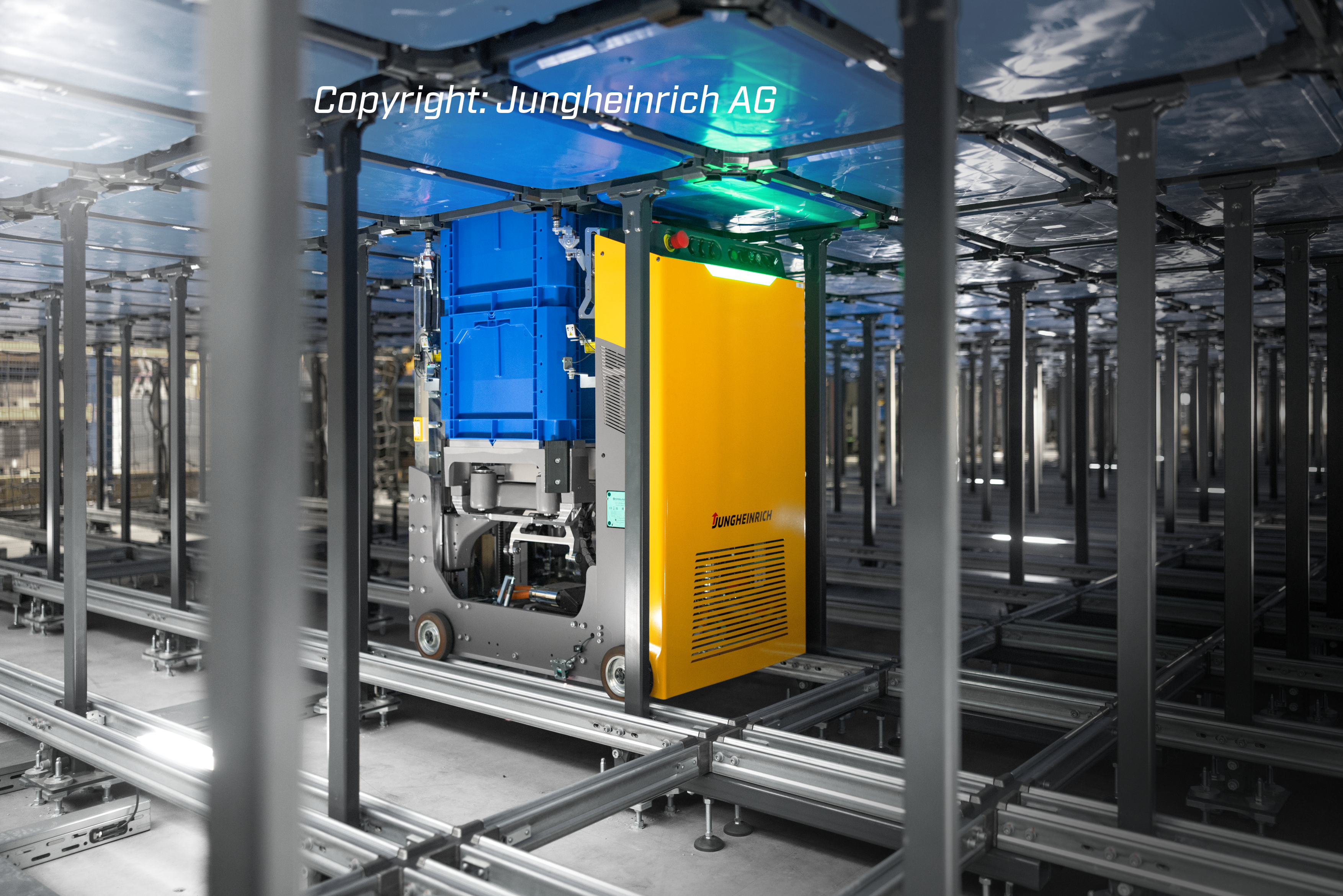
“We’re really pleased with the collaboration with HMS. It’s helped us achieve the robust wireless connectivity required for our state‑of‑the‑art automated container storage system,” concludes Carlos.
For manufacturers and integrators of intralogistics systems, reliable wireless communication enables several key advantages:
These benefits help intralogistics providers deliver systems that are faster to deploy, easier to maintain, and ready for growing automation demands.
Learn how Anybus Wireless solutions support smart intralogistics systems, from shuttles and conveyors to AGVs and AMRs.
Read the case study with Jungheinrich PowerCube that shows wireless shuttle communication in action