The water and wastewater sector is currently navigating a significant challenge: a diminishing pool of specialized technical talent. As seasoned experts retire and the complexity of treatment infrastructure increases, a gap is left that is difficult to fill. This shortage places pressure on existing teams, often leading to operational inefficiencies and increased risk of non-compliance.
However, the solution may not lie solely in aggressive hiring strategies, but rather in the strategic application of technology. By leveraging remote monitoring and industrial connectivity, facilities can maximize the capabilities of their current workforce, reduce physical workloads, and ensure operational excellence despite personnel constraints.
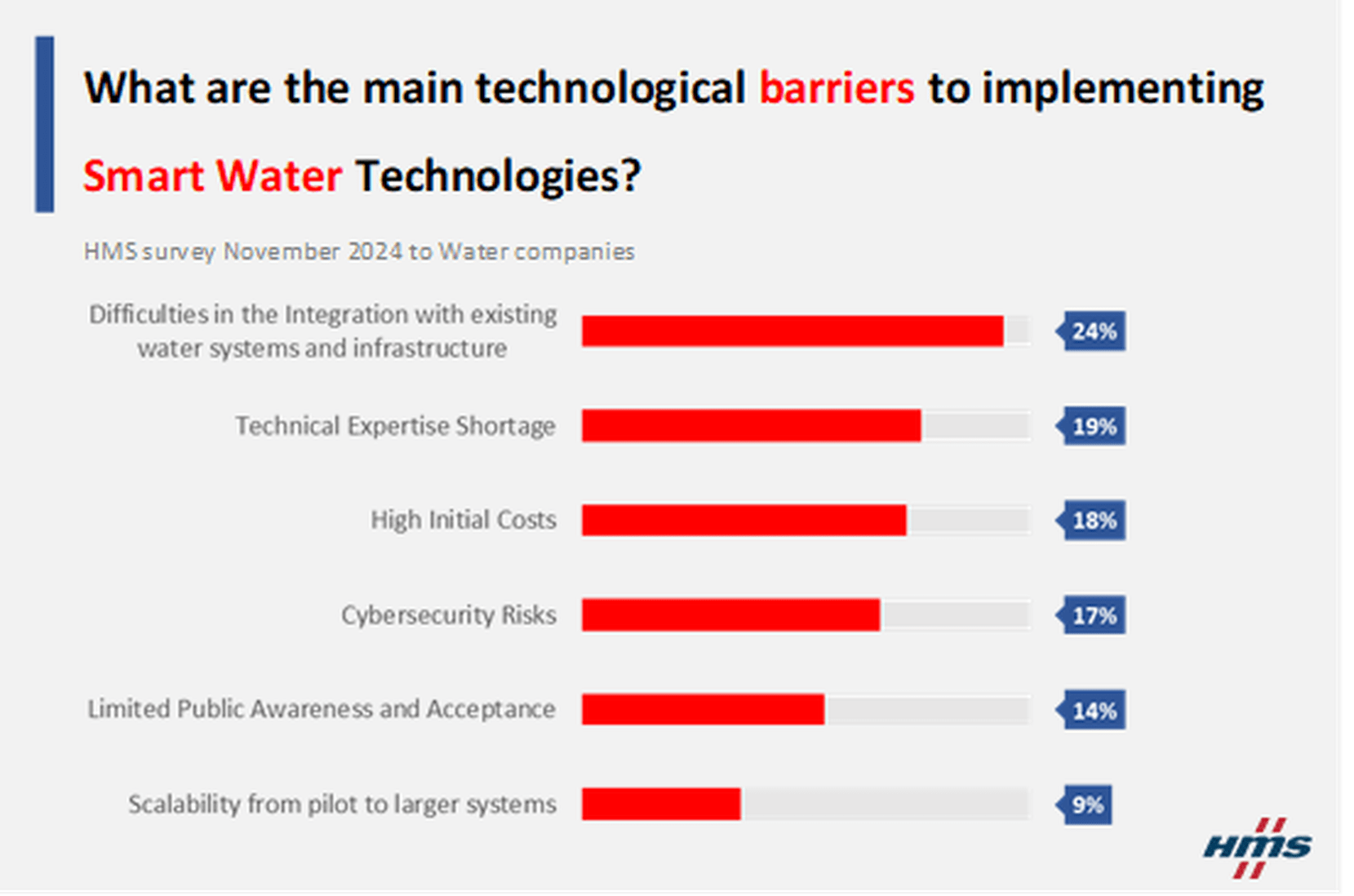
The shortage of technical expertise is not merely anecdotal; it is a quantified barrier to progress. According to the 2024 HMS Survey, 19% of companies identify a lack of technical expertise as a primary obstacle to the adoption of smart technology.
This statistic presents a paradox: facilities need smart technology to mitigate the lack of staff, yet they lack the staff to implement the technology. Breaking this cycle requires solutions that are intuitive, scalable, and designed to augment human capability rather than complicate it.
One of the most immediate benefits of digital transformation is the reduction of physical and cognitive load on engineering teams. Remote monitoring capabilities ensure that water quality parameters, such as pH levels, turbidity, and conductivity, are continuously tracked without the need for manual readings or constant physical presence.
By implementing robust remote access solutions, several operational improvements are realized:
This shift allows automation engineers and technical directors to focus their limited resources on high-value tasks rather than routine monitoring.
Beyond simply saving time, Smart Water technologies serve as a force multiplier for technical expertise. When a facility lacks a senior expert on-site, remote connectivity bridges that gap.
Through platforms like digital service hubs, data-driven insights are provided that augment existing team skills. Complex troubleshooting can be guided by software, or by remote experts who can see exactly what the on-site technician sees. This ensures that the high standards required for regulatory compliance are met, regardless of the seniority of the staff physically present at the plant.
The efficacy of these solutions is demonstrated by industry leaders who have successfully integrated remote monitoring to solve human resource challenges.
Envirochemie's WaterExpert™ platform digitizes plant management using the RemoteHUB. This feature allows experts to provide swift, remote assistance to on-site personnel via smart glasses. The technology enables hands-free, video-based support to speed up malfunction responses, facilitates knowledge sharing through the ExpertHUB, and enhances sustainability by optimizing operating costs and reducing travel-related carbon emissions.
Diemme Filtration optimized support for its global water treatment plants by integrating Ewon Cosy routers. This allows experts to remotely access PLCs and HMIs, eliminating the need for costly on-site visits. Roberto Dardi, Digital Automation Manager, highlighted significant savings, with tasks previously requiring a week of technician travel now handled remotely. Secure VPN connections certified under ISO27001 ensure cybersecurity while maintaining connectivity.
The shortage of technical experts in the water and wastewater industry is a pressing reality, but it is not an insurmountable one. By investing in remote monitoring and smart connectivity, organizations can decouple operational success from headcount.
These technologies do not replace the need for skilled workers; instead, they empower the existing workforce to achieve more. By reducing travel, automating routine analysis, and enabling remote collaboration, the industry can maintain high standards of efficiency, compliance, and sustainability, ensuring a resilient future for water management.