Focus on profitable & sustainable growth

HMS has a strong business vision, and a proven track record of growth and innovation. 

Since the start in 1988, we have grown to become a world-wide leader in industrial communication solutions. Our growth is driven by our customers' needs to become more connected, productive and sustainable.

HMS for shareholders — Basics

Hardware_Meets_Software_2

What we do

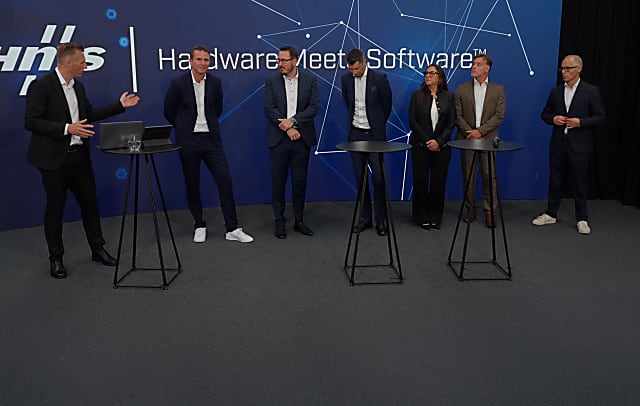
We make industrial electronic products that enable machines and devices to communicate with software & systems. In short: Hardware Meets Software™.

hms_hq_night_hms

Financials

In 2025, HMS had a turnover of 3,6 BSEK (326 MEUR) and an operating profit of 991 MSEK (90 MEUR). Average growth last 10 years: 16%.

Connected_World

Global reach

Millions of devices and machines all over the world are connected with HMS solutions. HMS has 1100 employees in 20+ countries. Furthermore, 300 HMS partners serve customers in 50+ countries.

shutterstock_2756878079

Financial targets 2030

7.5 BSEK in net sales. 25% profit EBITDA.

shutterstock_2501646465

People & Planet targets 2030

+50 customer NPS. +80 Employee Satisfaction Index. +30% female managers. Zero CO2 emissions (2050 in accordance with Science-based targets)

shutterstock_2184668135

Dividend Policy

30-50% of adjusted EPS in dividend.

More for shareholders

20231121_On_Boarding-164

Conference call second quarter report 2026

July 14, 2026, at 9:00 AM CEST

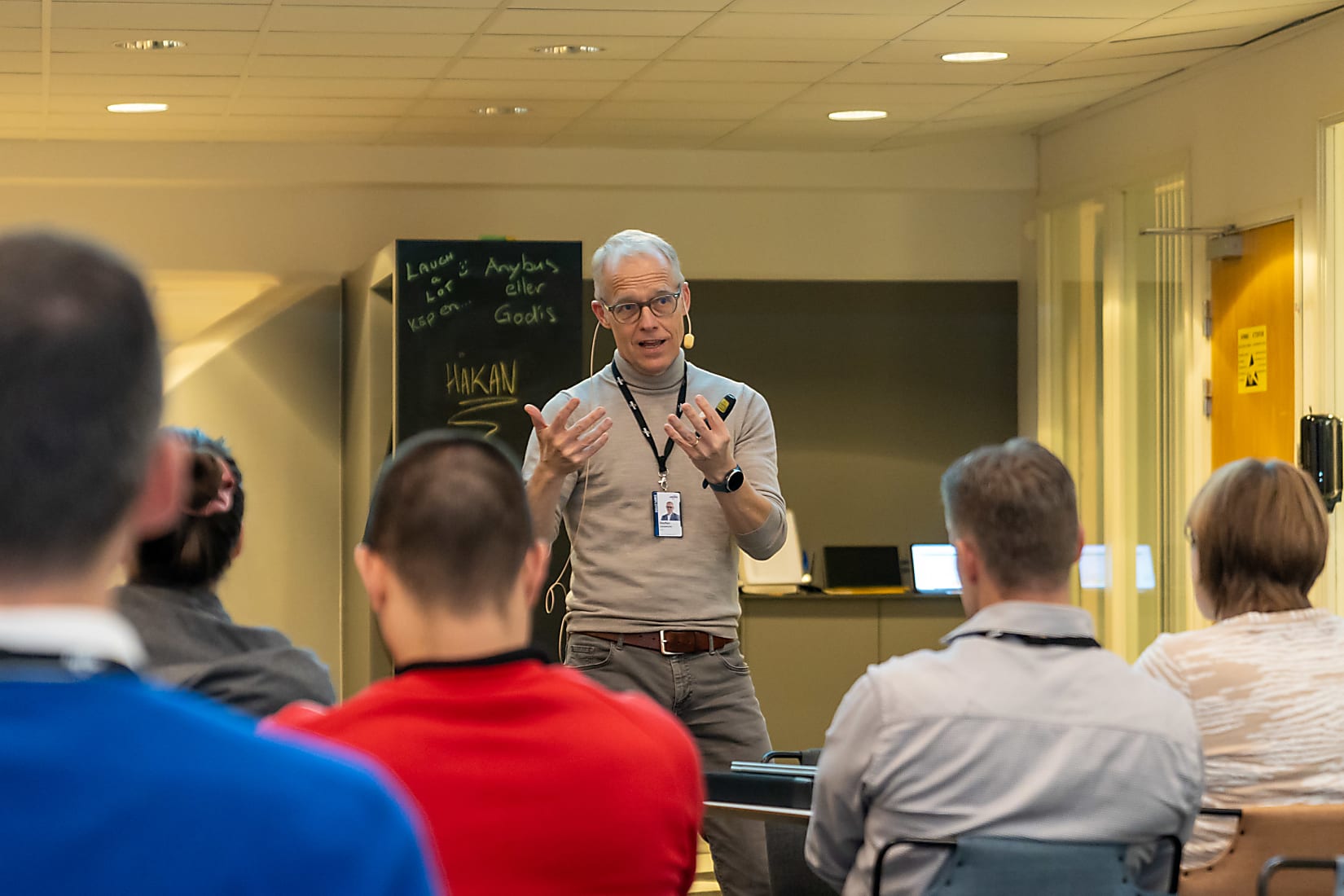
Listen to CEO Staffan Dahlström and CFO Joakim Nideborn presenting the latest financial report.

HMS-for-shareholders-annual-general-meeting

Annual general meeting

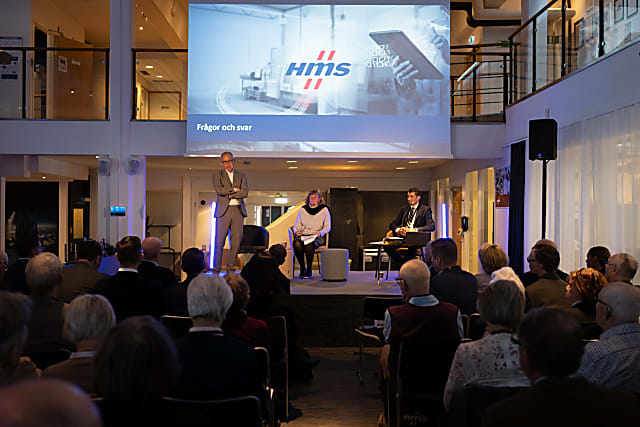
HMS supreme decision-making body is the General meeting of shareholders, where all shareholders have the right to participate, have a specified item on the agenda and vote.

Charlotte-Brogren-Staffan-Dahlstrom

How HMS is governed

The goal of good corporate governance is to ensure that the HMS Group is run in an efficient, sustainable and responsible way in order to generate value to its shareholders.

20231121_On_Boarding-57

HMS introduction for investors

CFO Joakim Nideborn gives an introduction to HMS Networks from an investor perspective, featuring a recap of the latest quarterly report with no new information disclosed. There will be an opportunity for questions. Duration is approximately one hour, and seats are limited. New sessions will be announced shortly.

capital-markets-day-2025

Capital markets day 2025 and new strategic targets for 2030

HMS Networks held a Capital Markets Day on September 9, 2025, and presented new financial and sustainability targets, together with the strategy for 2030 and a business update.

HMS-for-shareholders-reports

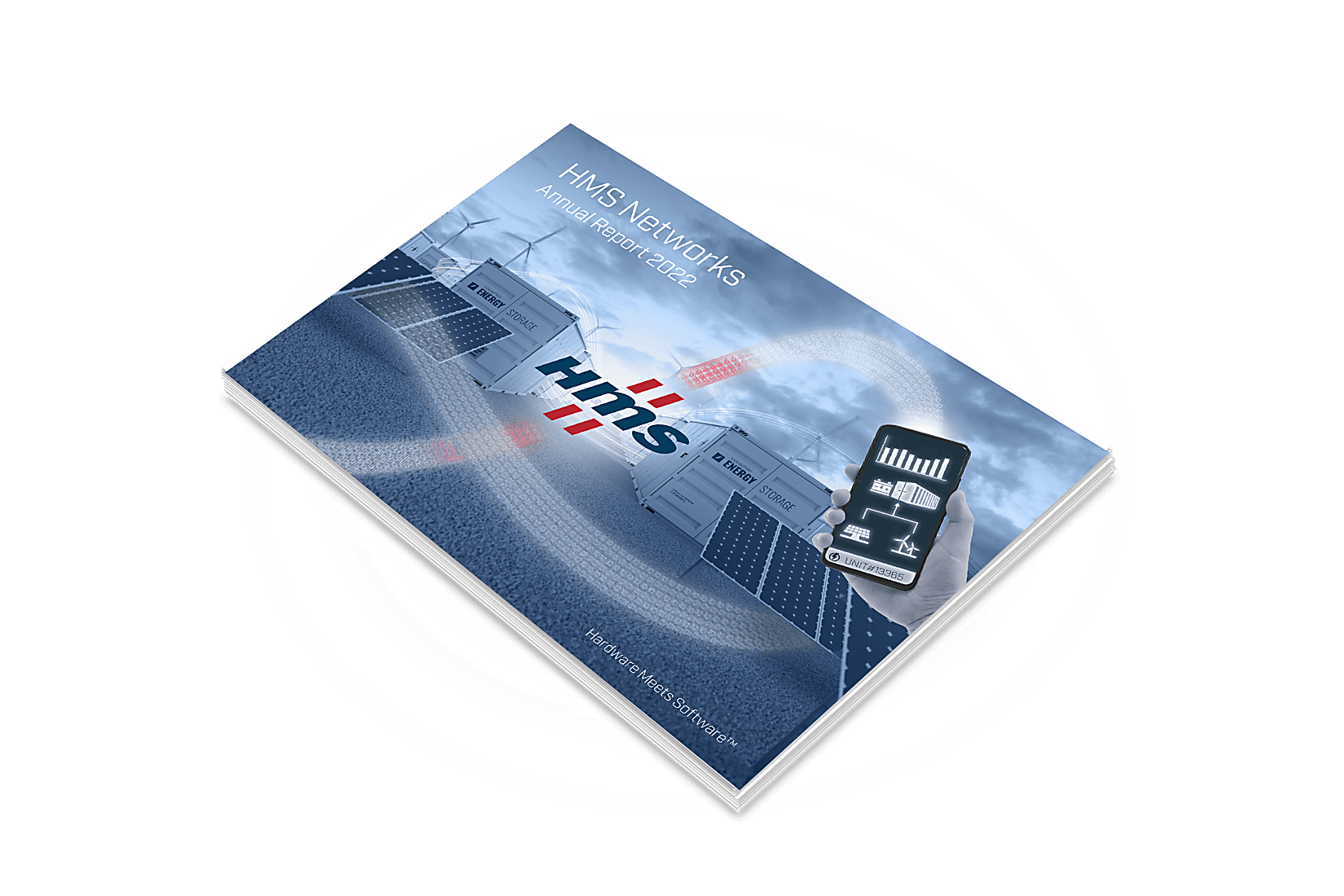
Recent reports

HMS has excellent opportunities for continued growth into the future. View our latest financial reports or browse our extensive report database.

The HMS share
Share information

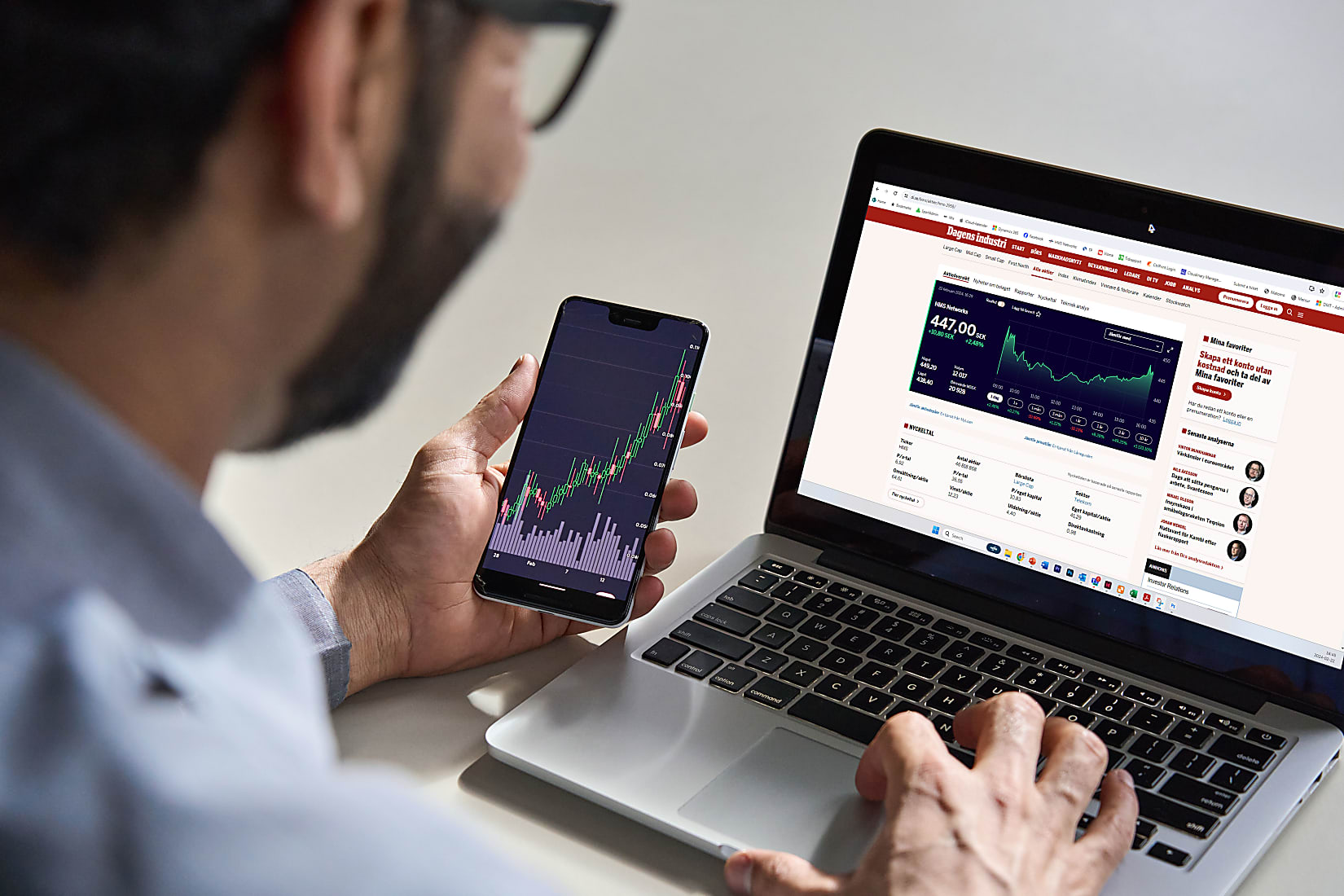
The HMS share

The HMS share is listed on the NASDAQ OMX Stockholm Large Cap list, in the Telecommunication sector. The ISIN code is SE0009997018. Shares are traded under the HMS ticker. A trading lot is 1 share.

Press releases

HMS-Networks-press-release
23 Apr 2026 at 12:13 GMT+2
Resolutions at the Annual General Meeting in HMS Networks
23 Apr 2026 at 07:30 GMT+2
Interim report: January – March 2026
30 Mar 2026 at 08:09 GMT+2
Revised start time for the 2026 Annual General Meeting of HMS Networks AB (publ)
25 Mar 2026 at 08:30 GMT+1
The Swedish and English version of HMS Network’s Annual Report 2025 is now available
Stay informed about regulatory press releases from HMS, sign up below to receive automatic notifications via Email.
Subscribe

Sustainability

Sandra Johansson

Frequently asked questions from shareholders

HMS earns revenue by selling hardware, software, and related services. These include communication modules, remote access solutions, and data platforms.

Products are sold both directly and via distribution (50/50 split). Embedded products are sold via so-called Design-wins, where the customer integrates an HMS product and then places orders every time a new machine is manufactured. This is a very "sticky" business model that guarantees revenue over many years.

Gateways and remote products are sold as problem solvers, usually via distribution.

The company is increasingly growing its software and cloud services, which can generate recurring income over time. This helps create more stable and predictable revenues.

HMS markets products under several well-known brands in the Automation, Building and Automotive sector — Anybus, Ewon, Ixxat, Intesis, Peak, N-Tron and Red Lion.

Each brand focuses on a specific area, like connecting machines to networks, enabling remote access, or linking building systems. Together, they form a broad offering that supports many industrial use cases.

Growth is mainly driven by increasing demand for automation, connectivity, and data in industrial applications. As factories become more digital, companies need solutions to connect their equipment and analyze data.

Security, AI and sustainability demands are other trends driving HMS's business.

HMS grows through new product development, acquisitions, and expansion in - mostly in Europe. North America and Asia, where demand for automation is strong.
HMS operates in three core segments: Industrial Data Solutions, Industrial Network Technology, and New Industries. 

These cover everything from data collection and visualization to embedded communication technology and niche industrial markets. Together, they diversify the business and reduce reliance on any single market.
HMS has shown steady growth over time. The last 10 years, sales growth have been 16% on average, with revenue reaching over SEK 3.6 billion in 2025.

The company also maintains solid profitability, with operating margins around 20–25%.
Customers include machine builders, system integrators, and industrial companies across sectors like manufacturing, energy, and building automation.

HMS sells globally, with a strong presence in Europe and North America. Asia is also a growing market for HMS.

The broad customer base and market presence helps spread risk and create growth opportunities.
Some of HMS products are sold on competitive markets with both specialized companies and large industrial players. 

Demand can fluctuate with economic conditions — if industrial manufacturers make less products, they also need fewer HMS communication solutions.

There are also risks related to technology changes, supply chains, and global trade (such as tariffs), which can impact costs and growth.

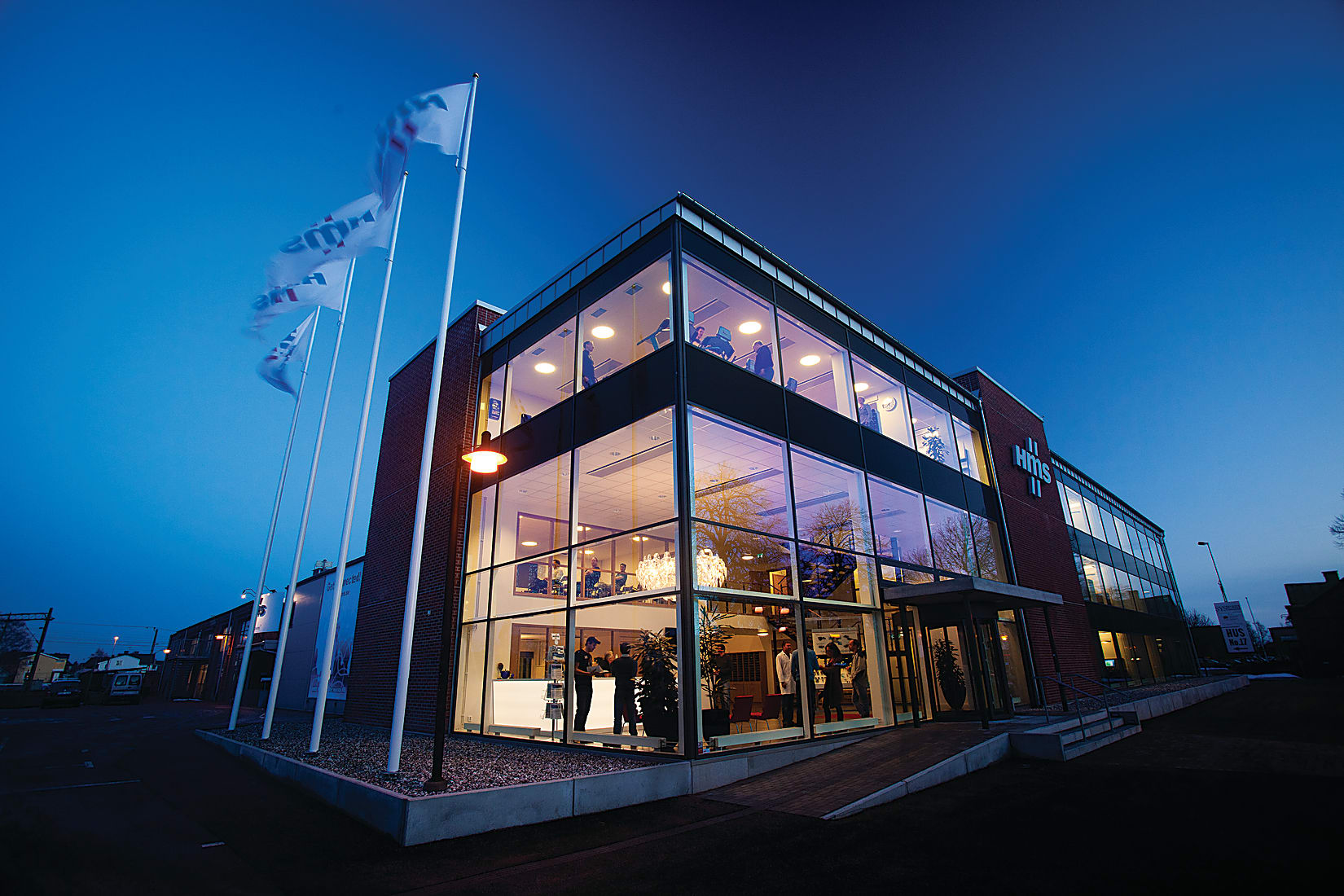
HMS is headquartered in Halmstad Sweden. Other main locations are York (US), Ravensburg/Karlsruhe/Darmstadt/Buchen (Germany), Nivelles (Belgium), Igualada (Spain), Shin-Yokohama (Japan). In total HMS has operations in 20+ countries.

HMS stands out by its wide portfolio of hardware, software, and cloud services for industrial communication. This allows customers to connect machines, access data remotely, and analyze performance using a single ecosystem. 

The company is also known for being “vendor-neutral,” meaning its solutions work across many different industrial systems and networks. This flexibility is attractive to customers and strengthens its market position.

A track record of being close to customers and good product support is also a cited strength.

HMS aims to continue growing through innovation, acquisitions, and a stronger focus on software and services.

A key goal is to increase annual recurring revenue (ARR), especially from cloud platforms and data services. 

The company targets long-term profitability and expansion in key markets, while investing in new technologies such as AI and advanced connectivity.

HMS aims to become a net-zero company by 2050, with climate targets validated by the Science Based Targets initiative and aligned with the Paris Agreement. 

The company plans to reduce its own emissions by 2030, but HMS emissions are quite small. A bigger impact can be reached by helping customers reduce their environmental impact. Companies turn to HMS to reduce service travel, gain better insight into industrial processes to reduce energy and optimize production. Energy savings in buildings is another main driver for buying HMS products.

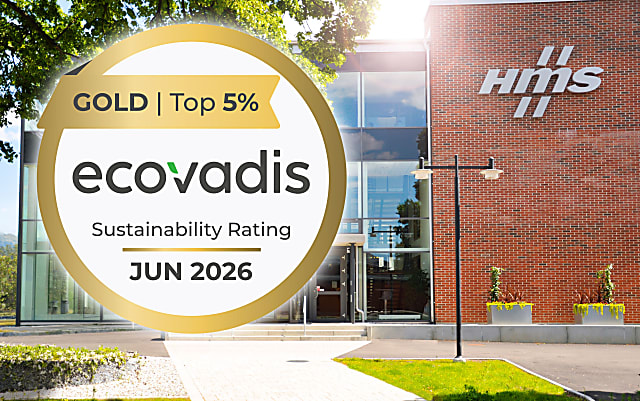
Sustainability is integrated into HMS’s overall business strategy, including product design, operations, and decision-making. 

HMS grows both organically and through acquisitions. Acquisitions can be both "bolt-ons" to existing divisions or new initiatives in "New Industries"

Around 50% of growth in 2026–2030 is expected to come from M&A.

The focus is on acquiring companies that add technology, IP, products, or market access that fit closely with existing operations. 

You might also be interested in

Board_of_directors_collage
Board of Directors

The Board is responsible for how the company is organized and for administration of the company’s affairs on behalf of the owners.

GLT-collage
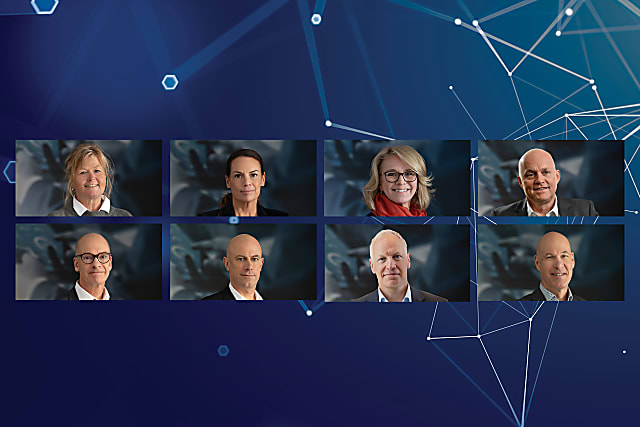
Management team

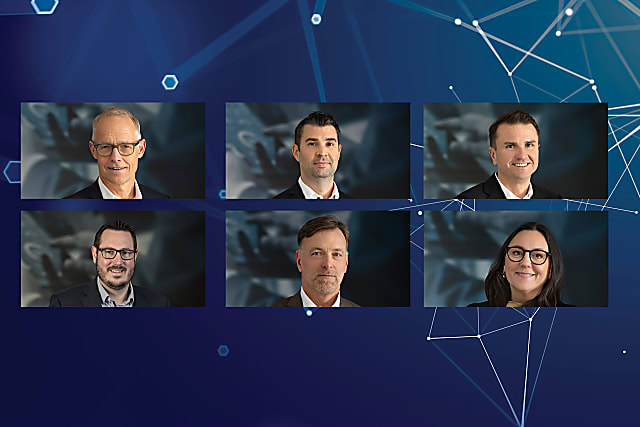
The Group management team is headed by the CEO and has overall responsibility for ensuring that daily operations are in accordance with the strategy and long-term objectives.

shutterstock_709830532
The HMS share

Read about the HMS share, number of shares and share capital.

shutterstock_1531969490_1
Why invest in HMS

With a business concept in line with the future and a proven track record of innovation, HMS is a company aiming for future growth.