Smart water initiatives represent the future of infrastructure management, promising unprecedented efficiency and reliability. In November 2024, a survey conducted by HMS Networks among water and wastewater companies uncovered a sobering reality: technical expertise shortages constitute a significant barrier preventing utilities from successfully implementing and operating these advanced systems.
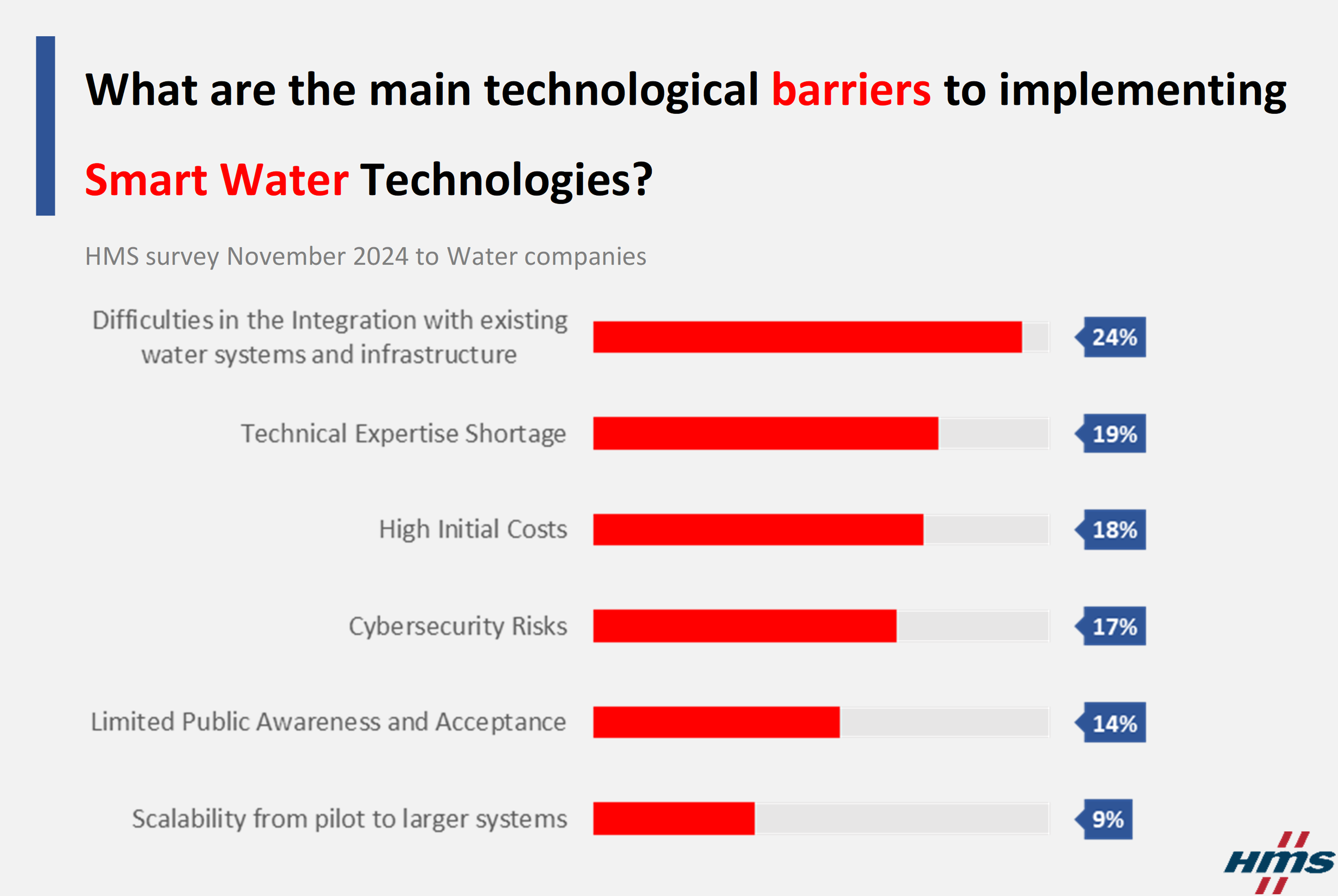
The findings underscore a fundamental challenge facing the water sector. While digital transformation offers solutions to aging infrastructure and mounting environmental pressures, the human capital required to deploy and maintain these sophisticated systems remains critically scarce. This skills gap threatens not only individual utility operations but the industry's collective ability to modernize and meet growing demand.
Understanding the root causes of this shortage and implementing strategic solutions has become essential for utilities seeking to leverage operational technology effectively.
Post-Pandemic Workforce Disruption
The post-COVID-19 "Great Resignation" fundamentally altered workforce dynamics across industries, with the water sector experiencing particularly acute impacts. This global phenomenon saw experienced professionals departing their positions to pursue new careers or alternative employment opportunities, creating substantial knowledge gaps within utility organizations.
The departure of seasoned professionals has resulted in extended repair times and delayed network restoration following unplanned downtime incidents. Organizations that previously relied on institutional knowledge and established procedures now face operational vulnerabilities as they struggle to replace departed expertise. The hourly cost of unplanned downtime in the water and wastewater industry approaches $100,000, making these extended outages financially devastating1
Demographic Transition and Knowledge Transfer
An aging workforce compounds the expertise shortage challenge. Skilled engineers with decades of experience are reaching retirement age, taking with them irreplaceable institutional knowledge and hands-on expertise. Their departure necessitates hiring newer professionals who, despite educational qualifications, lack the practical experience and troubleshooting intuition developed over years of field work.
This demographic transition creates a critical knowledge transfer bottleneck. Traditional apprenticeship models and mentorship programs struggle to compensate for the rapid pace of retirements, leaving utilities with significant experience gaps. The complexity of water treatment processes and distribution systems demands deep understanding that cannot be quickly acquired through standard training programs.
Technological Evolution Outpacing Skill Development
The continuous evolution of operational technology presents additional challenges for maintaining technical competency. Engineers responsible for troubleshooting networks must constantly update their knowledge to remain effective with new systems, protocols, and integration requirements. However, operational demands often leave insufficient time for professional development and skills enhancement.
Modern water infrastructure increasingly incorporates IoT sensors, SCADA systems, advanced analytics platforms, and cybersecurity protocols. Each technological advancement requires specialized knowledge that existing staff must acquire while maintaining current operational responsibilities. This creates a perpetual learning curve that many organizations struggle to manage effectively.
Digital Transformation and Autonomous Operations
Advancing digitalization represents a fundamental strategy for mitigating technical expertise shortages. Autonomous operational systems can reduce reliance on human intervention for routine monitoring and control functions, allowing limited skilled personnel to focus on complex problem-solving and strategic initiatives.
Intelligent automation systems equipped with machine learning capabilities can handle standard operational parameters, alert personnel to anomalies, and even execute predetermined responses to common issues. This technological approach effectively multiplies the impact of available expertise by eliminating routine tasks that consume significant professional time.
Intuitive Configuration and Operation
Selecting solutions with intuitive interfaces and short learning curves becomes critical when technical expertise remains limited. Equipment and software platforms designed for ease of use enable faster staff onboarding and reduce the specialized knowledge required for effective operation. User-friendly systems democratize technical capabilities across broader organizational teams.
Simplified configuration processes allow engineers to implement and modify systems without extensive specialized training. Visual programming interfaces, standardized protocols, and automated setup procedures reduce the technical barriers that traditionally required expert-level knowledge.
Comprehensive Training and Support Programs
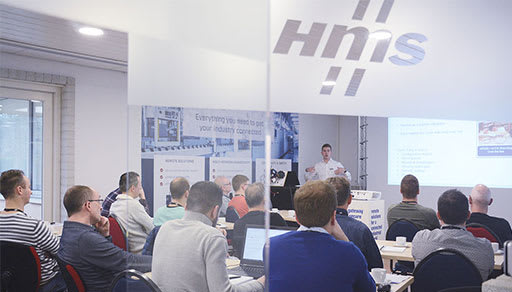
Technology vendors must provide extensive training and ongoing support to maximize the value of their solutions. Online training platforms offer particular advantages by allowing personnel to learn at their own pace while maintaining operational responsibilities. Self-paced learning accommodates varying schedules and learning styles while building competency systematically.
Remote support capabilities enable vendors to provide real-time assistance during implementation and troubleshooting scenarios. This approach extends expert knowledge virtually, supplementing local capabilities with external expertise when needed.
Widespread Technology Adoption
Implementing widely-adopted technologies leverages broader industry knowledge and educational resources. Solutions commonly used in universities and training institutions benefit from established curriculum, certified instructors, and extensive documentation. This ecosystem approach accelerates skill development and ensures consistent competency standards.
Popular platforms also benefit from larger user communities, extensive online resources, and third-party training materials. The availability of multiple learning pathways and support networks reduces organizational dependence on internal expertise development.
Remote Access and Monitoring Implementation2
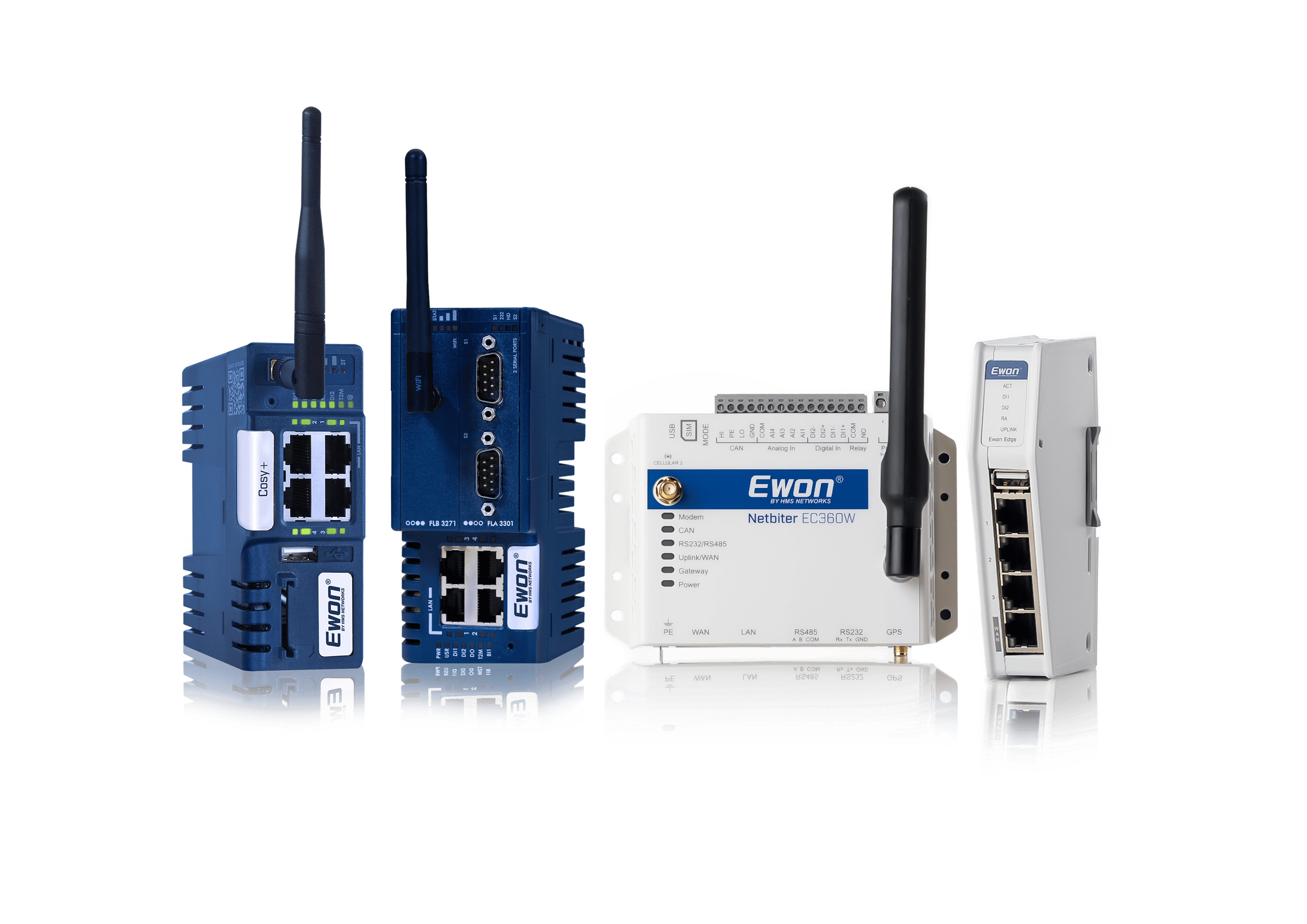
Remote access capabilities enable expert personnel to provide support across multiple facilities without physical travel requirements. This approach maximizes the utilization of limited skilled resources while improving response times for critical issues. Remote monitoring systems provide continuous oversight that would be impossible with traditional on-site staffing models.
Distributed expertise through remote access allows utilities to maintain operations with reduced on-site technical staff. Senior engineers can oversee multiple installations, provide guidance during complex procedures, and respond to emergencies across their entire service area from centralized locations.
Moving from reactive maintenance approaches to predictive maintenance strategies optimizes resource allocation and reduces emergency response requirements. Reactive maintenance creates unpredictable scheduling demands that strain limited technical personnel, often requiring immediate reassignment from planned activities to address urgent failures.
Predictive maintenance utilizes continuous monitoring data to identify potential issues before they result in system failures3. This approach allows planned interventions during scheduled maintenance windows, eliminating the inefficient resource scrambling associated with emergency repairs. Predictive strategies also extend equipment life and improve overall system reliability.
Advanced analytics platforms can process vast amounts of sensor data to identify performance trends and failure patterns. These insights enable maintenance teams to focus their limited expertise on systems most likely to require intervention, improving overall efficiency and system reliability.

The technical expertise shortage in water and wastewater operational technology represents both an immediate challenge and a long-term strategic consideration. Organizations that proactively address these shortfalls through comprehensive digitalization, intuitive technology selection, and operational optimization will position themselves for sustained success in an increasingly complex technological environment.
The convergence of demographic transitions, technological evolution, and post-pandemic workforce disruptions requires multifaceted solutions that extend beyond traditional hiring strategies. Success depends on reimagining how technical expertise is developed, deployed, and leveraged across water infrastructure systems.
Utilities must embrace strategic partnerships with technology vendors who prioritize user experience, provide comprehensive support, and contribute to broader industry knowledge development. The investment in advanced operational technology, combined with thoughtful implementation strategies, offers a pathway to overcome current limitations while building resilience for future challenges.
__________
1https://new.abb.com/docs/librariesprovider19/default-document-library/abb_survey-report-2023.pdf
2https://www.hms-networks.com/p/ec7133l-00ma-ewon-cosy-4g-eu
3https://www.hms-networks.com/network-diagnostics